

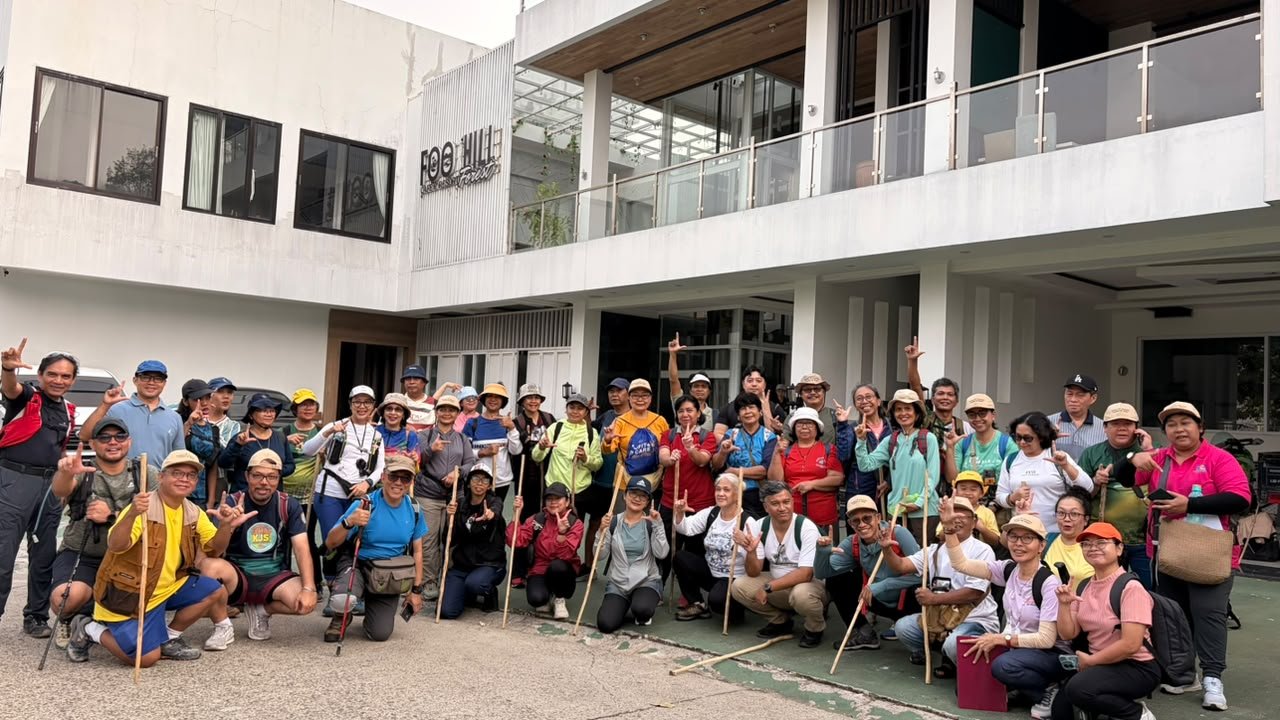
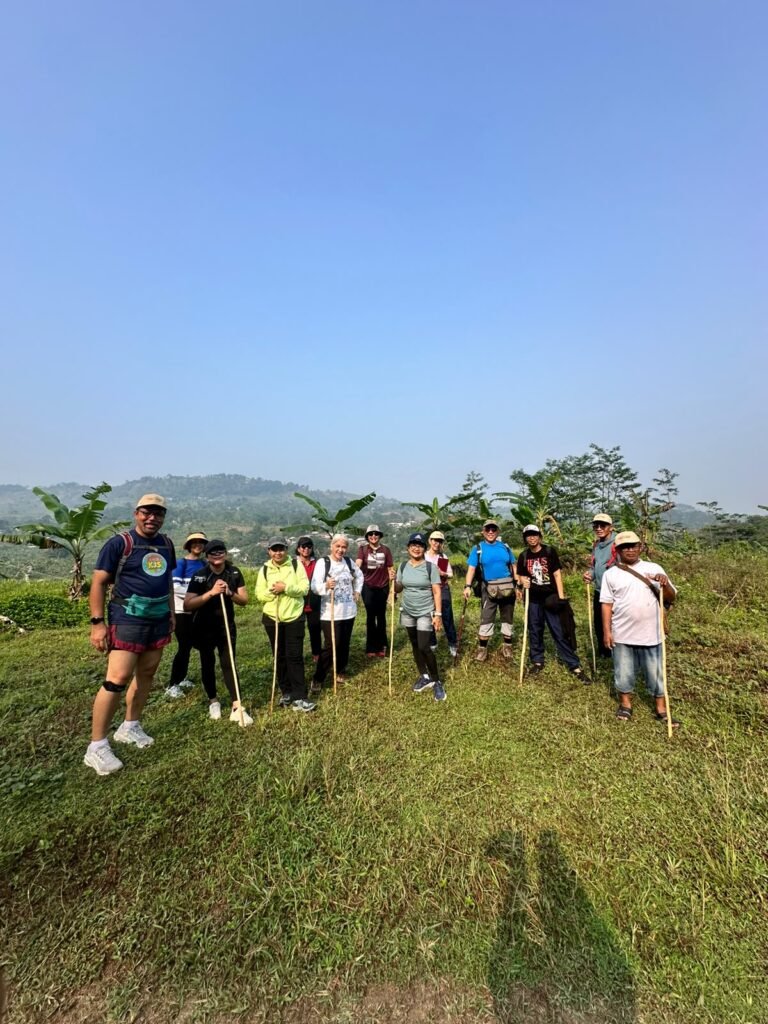
SENTUL CITY, BOGOR — A 4.6-kilometer long one-way trek through forests, rice fields and community plantations in the hills of Sentul brought the Season of Creation 2026 theme, “Living Water,” to life for about 50 participants from parishes across the Diocese of Bogor, Indonesia.
The Trekking and Forest Immersion program on September 26 was designed not simply as a recreational walk but as an opportunity to experience nature directly and reflect on the connection between forests, rivers, water and human life.
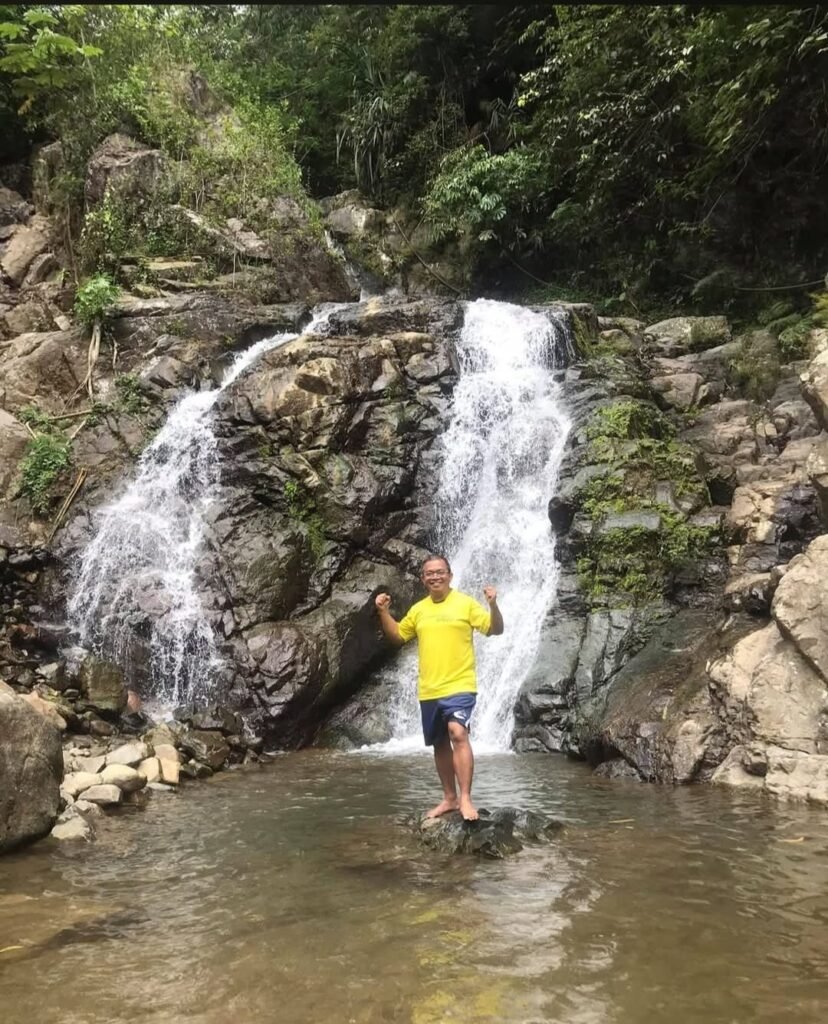
The journey ended at Curug Cibingbin, or Cibingbin Waterfall, where participants encountered an unexpected and sobering sight.
The waterfall was almost dry.
For the participants, the absence of water transformed the environmental message of the Season of Creation from an abstract idea into something they could see and experience.
This year’s global theme, “Living Water,” draws on Ezekiel 47:1-12, which describes water flowing from the Temple to restore barren land, revive waters and sustain ecosystems.
The theme calls people to recognise ecological damage, understand the interconnectedness of creation and actively work for its renewal. Its 2026 symbol, “Immersion in Living Water,” emphasises transformation through direct engagement with nature and collective action.
The Season of Creation runs from September 1 to October 4 and is observed by Christians across denominations worldwide.
In Bogor, participants were invited to experience that message by walking through a living landscape.
A journey through the forest
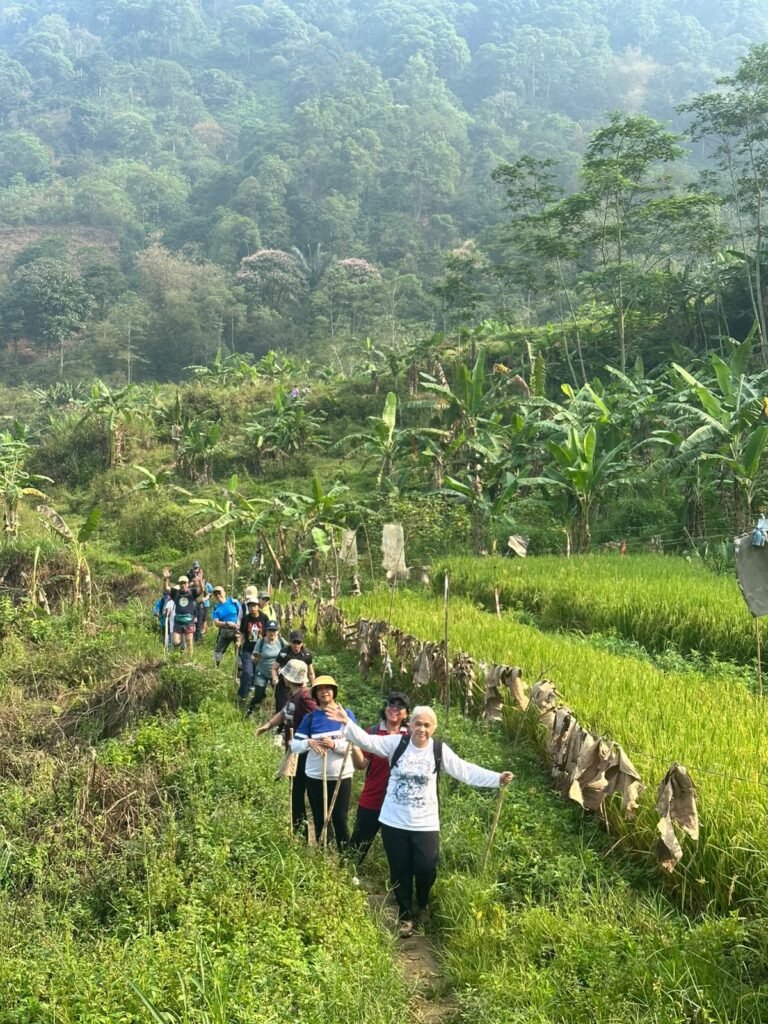
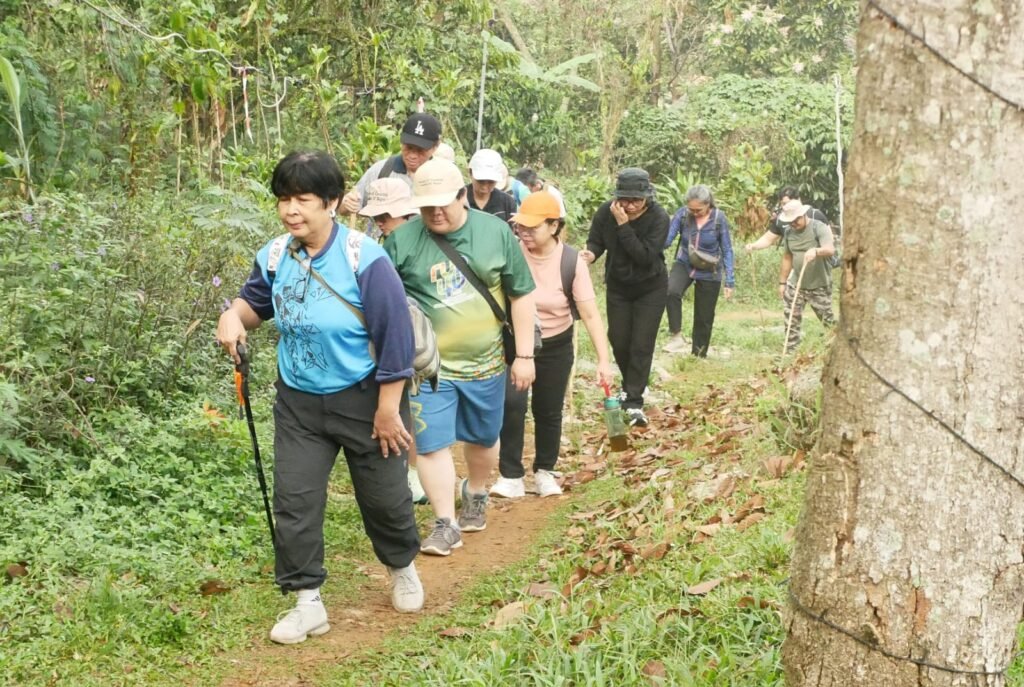
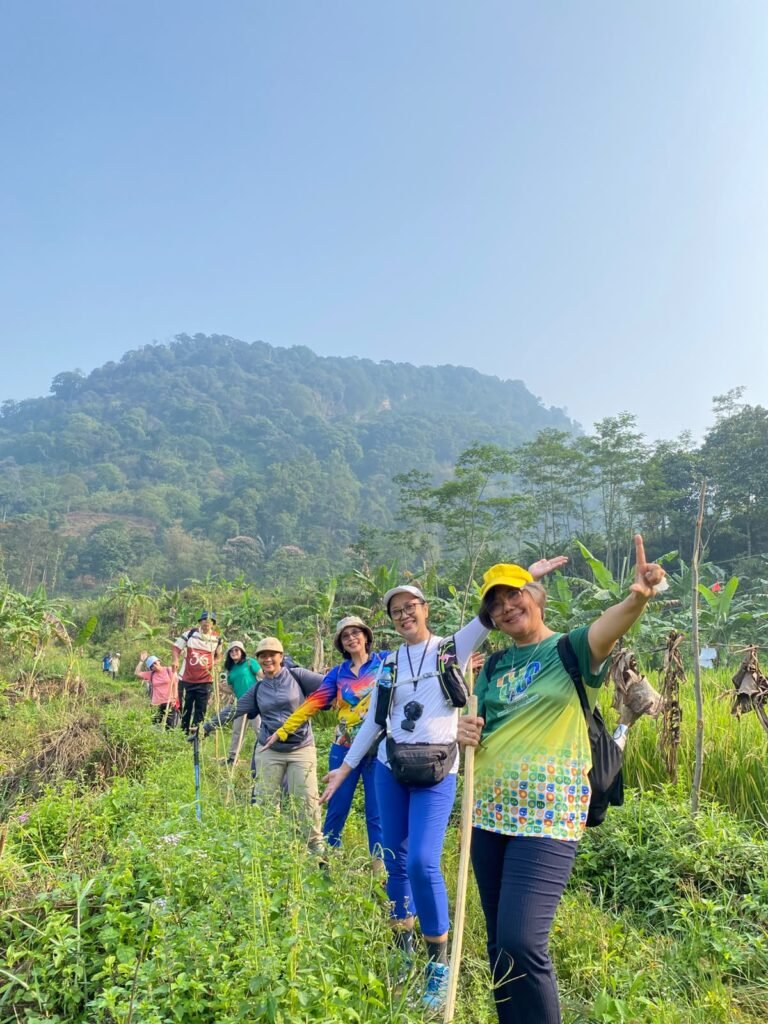
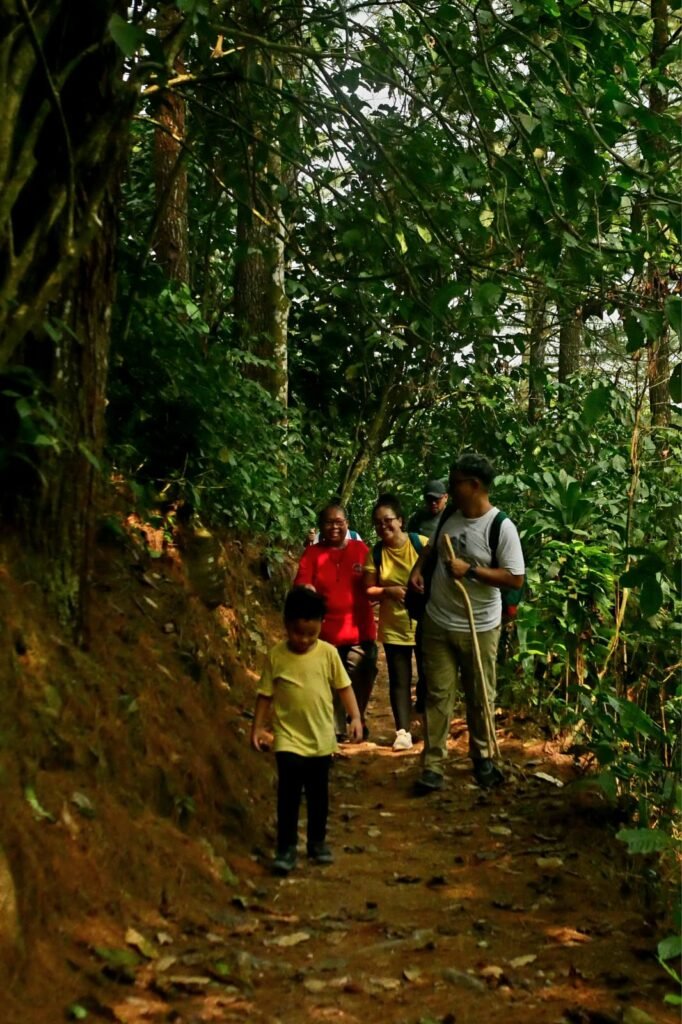
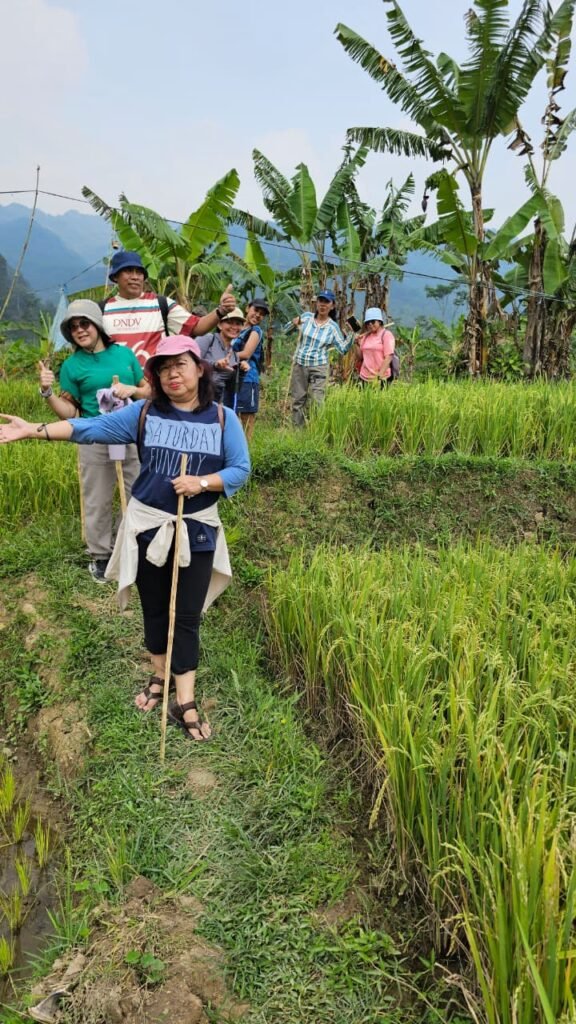
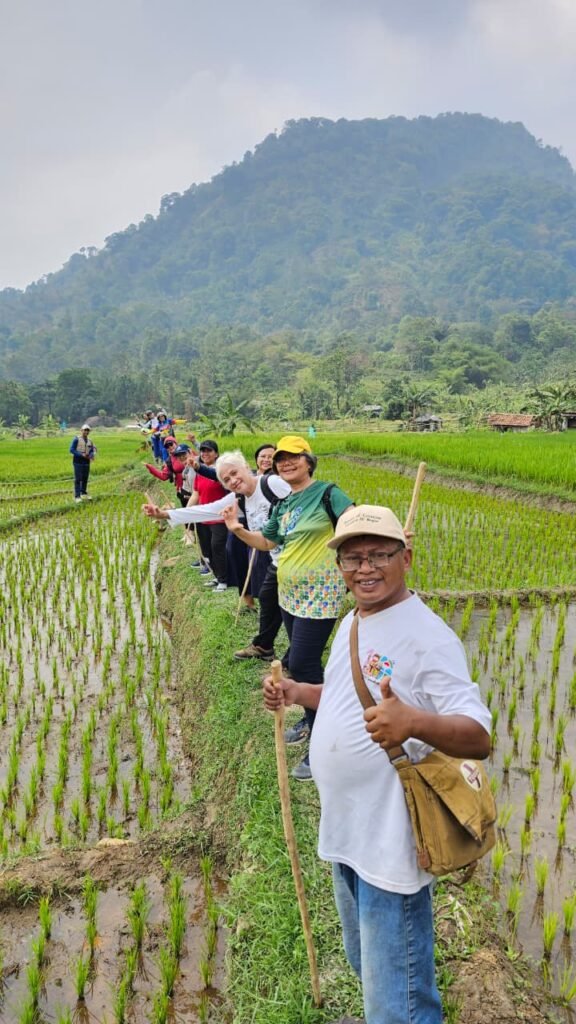
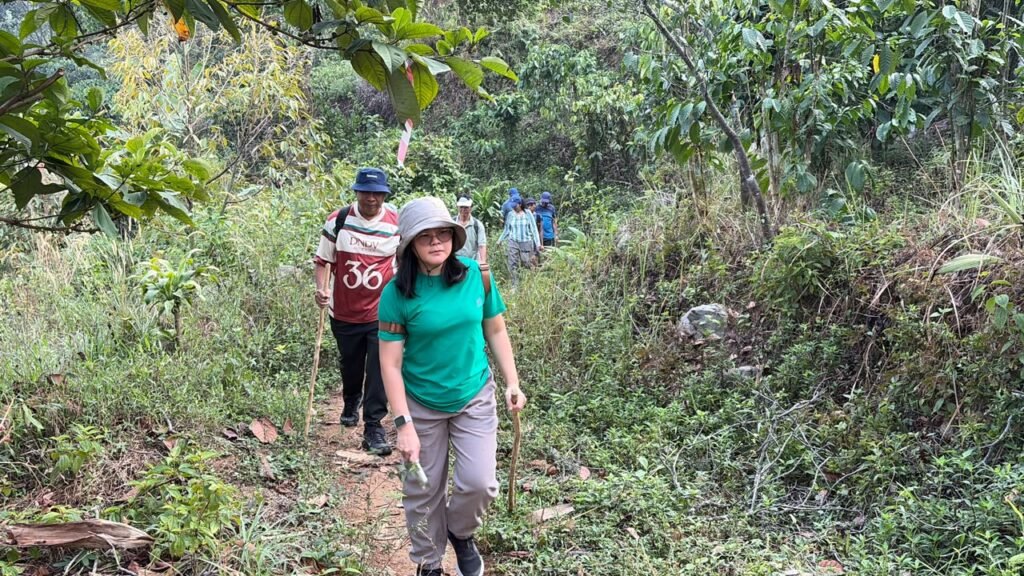
The trek began at Foothill Forest Resto & Cafe and continued for 4.6 kilometres to Curug Cibingbin. The route took participants through mountain landscapes, rice fields, community plantations, coffee gardens and tropical forest.
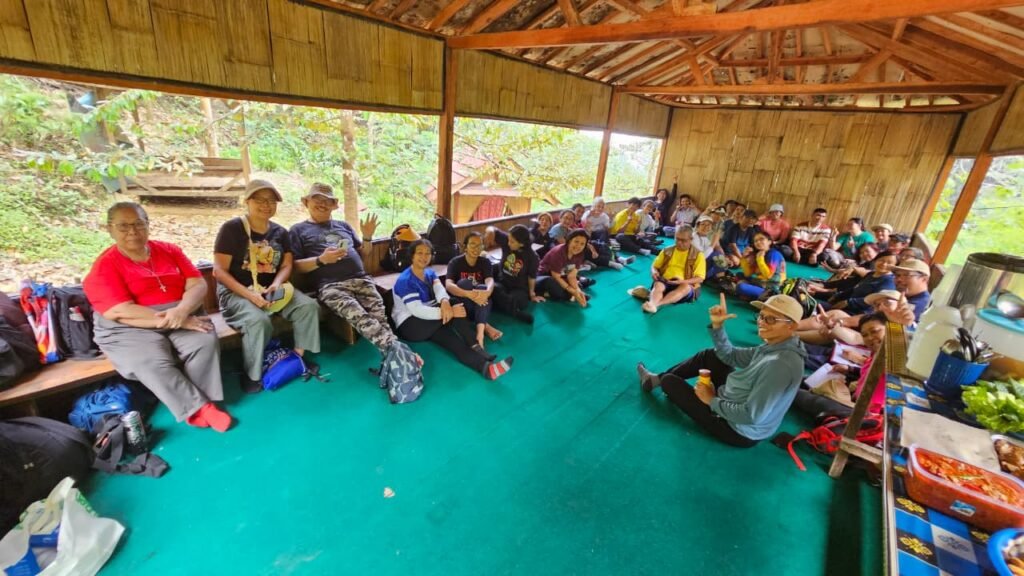
The group included participants of widely different ages, from nearly six-year-old Nicolas to 70-year-old Ibu Lia. Everyone completed the natural trail and returned safely to the base camp.
The journey began with prayer and a short reflection, setting the tone for an experience that was intended to go beyond physical exercise.
Participants were encouraged to pay attention to their surroundings and recognise the natural environment as part of a larger living system.
Following a zero-waste approach, they walked in groups and stopped at several points along the route before reaching Curug Cibingbin between 9 a.m. and 9:30 a.m.
Along the way, they encountered rice fields, trees, springs, rivers and farmers’ shelters. They also heard birds, including the distant call of an eagle, and experienced the cooler air of the forest.
The landscape offered a picture of an ecosystem in which water, vegetation, agriculture and communities are closely connected.
But at the end of the journey, one element was missing. The waterfall had no water.
When the river disappears
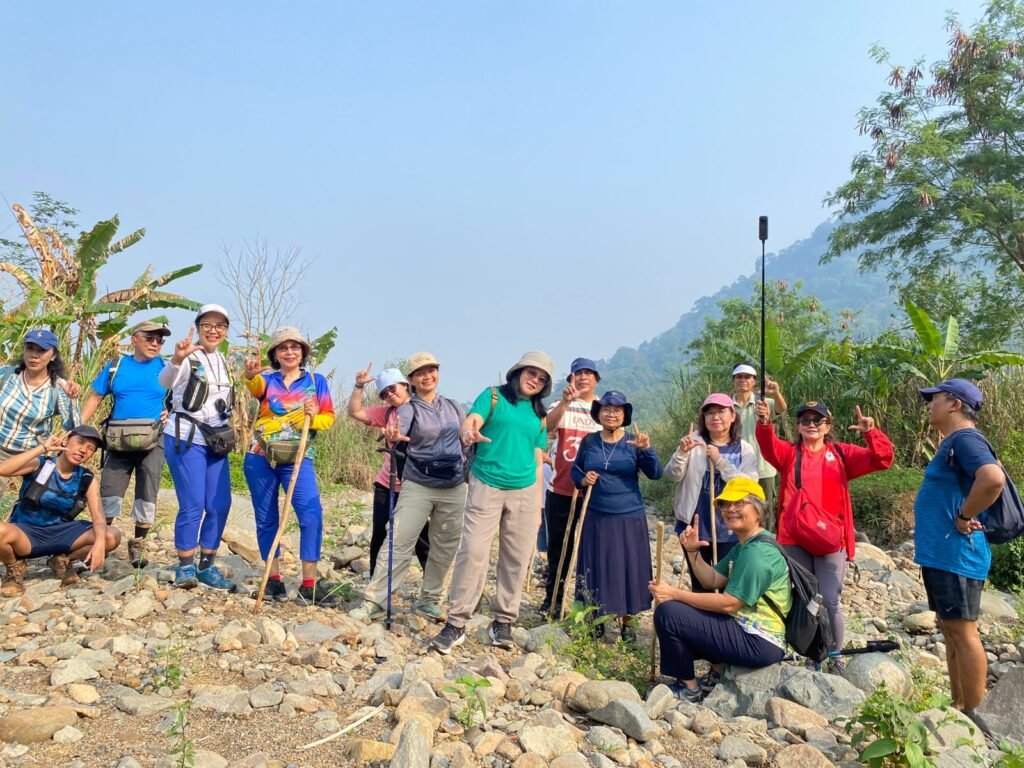
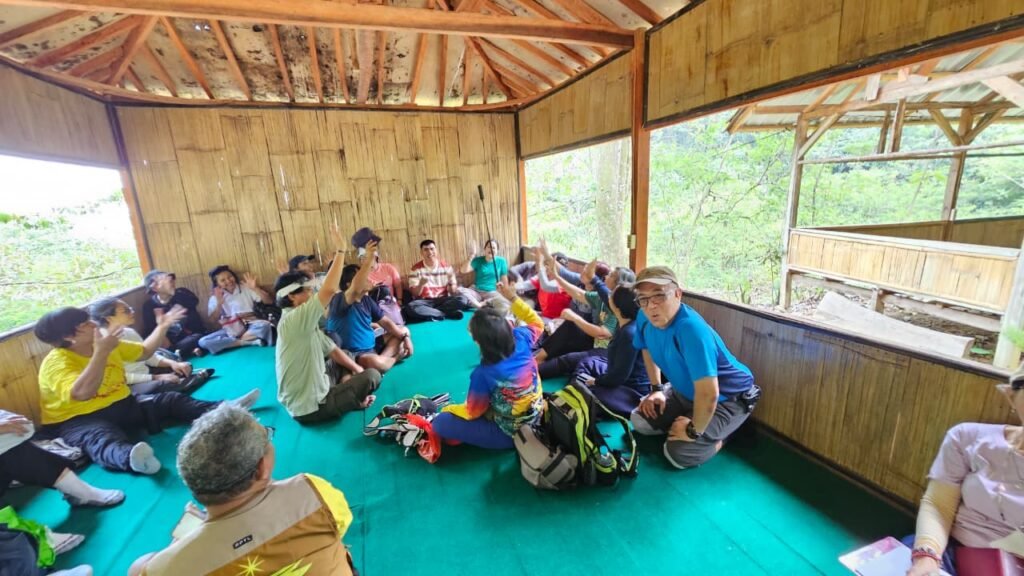
At Curug Cibingbin, participants took part in a reflection session titled “A Journey Toward Ecological Awareness,” guided by Ibu Astuty, a mediation enthusiast. They were invited to remain silent and reflect on what they had seen, heard and felt during the trek.
The dry river became one of the strongest points of reflection. It also revealed that the water flowing through the forest has importance beyond the natural landscape.
The Cibingbin River is used as a source of drinking water by people in nearby Karang Tengah village and provides a back-up water source for housing developments in Sentul City.
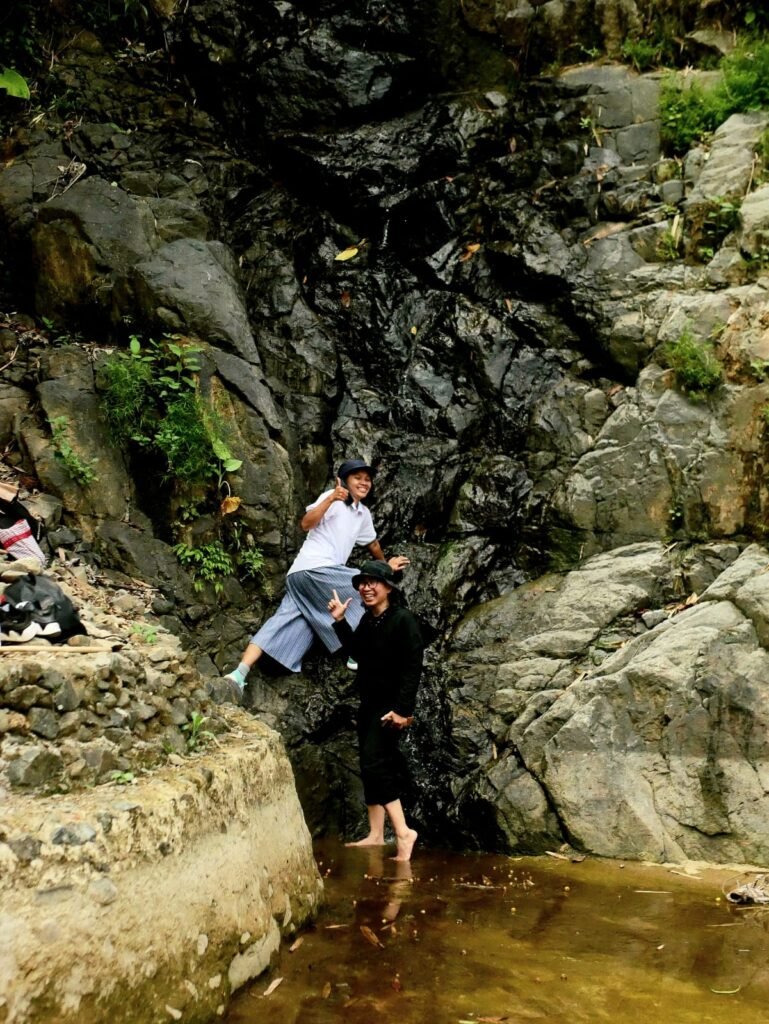
Some residents and users receive water through pipes connected to the Cibingbin river flow. The drying of the river has therefore affected people who depend on it for their daily water needs.
For those participants, the absence of water at the waterfall was not simply a disappointing end to a nature walk. It was a reminder that the condition of an upstream ecosystem can directly affect people living beyond the forest.
A river can provide habitat for plants and animals, support agriculture and shape the landscape, while also serving as a source of water for households.
When the flow disappears, all those connections become visible.
The experience prompted discussion about environmental pressures including deforestation, waste and climate change, as well as their possible effects on ecosystems, farmers, planting seasons, flooding and drought.
The dry waterfall therefore became an unexpected symbol of the Living Water theme.
The message was no longer only about water as a religious image. It became a question about whether water will continue to flow through the landscapes and communities that depend on it.
Seeing the river differently
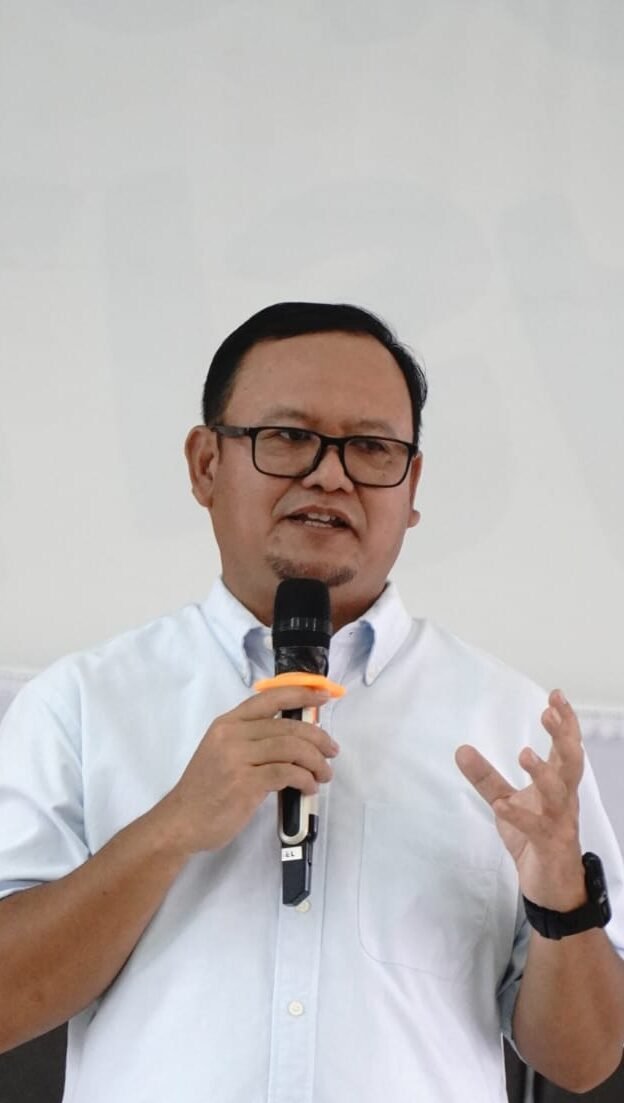
That message was reinforced during the closing celebration of the Season of Creation by Rudy Mashudi, head of Bogor Municipality’s Environmental Office, held by Laudato Si’ Chapter Bogor at the Bogor Diocese compound on Sunday, Oct. 4.
“We need to honour the river,” Rudy said.
He argued that rivers should be understood as part of human life and civilisation rather than as places where communities can dispose of waste.
“We hope that honouring the river means protecting the ecosystem, from the source of the waste to the river and then the river ecosystem itself,” he said.
Bogor is part of a connected river system linking upstream areas around Puncak, West Java, with communities farther downstream toward Jakarta.
That interconnectedness means environmental problems cannot be addressed simply according to administrative boundaries.
Damage to a river upstream can eventually affect communities much farther downstream. The Cibingbin experience illustrates that relationship at a local level.
For Rudy, protecting rivers requires a change in how communities see them.
“The concept we have is the river as the back of the house. It should not be the back of the house. The river should be the front of the house,” he said.
Changing that perception could also change behaviour. When rivers are regarded as part of the front of a community, people are more likely to protect them, keep them clean and prevent waste from entering the water.
The river becomes something to care for rather than something to hide.
But Rudy stressed that government cannot address environmental problems alone. “We need to work together and collaborate to continue dealing with environmental issues, because we cannot do it alone,” he said.
He called for cooperation among government institutions, communities and people from different faiths.
Such cooperation has already taken place in Bogor through community-based river-cleaning activities.
From understanding to action
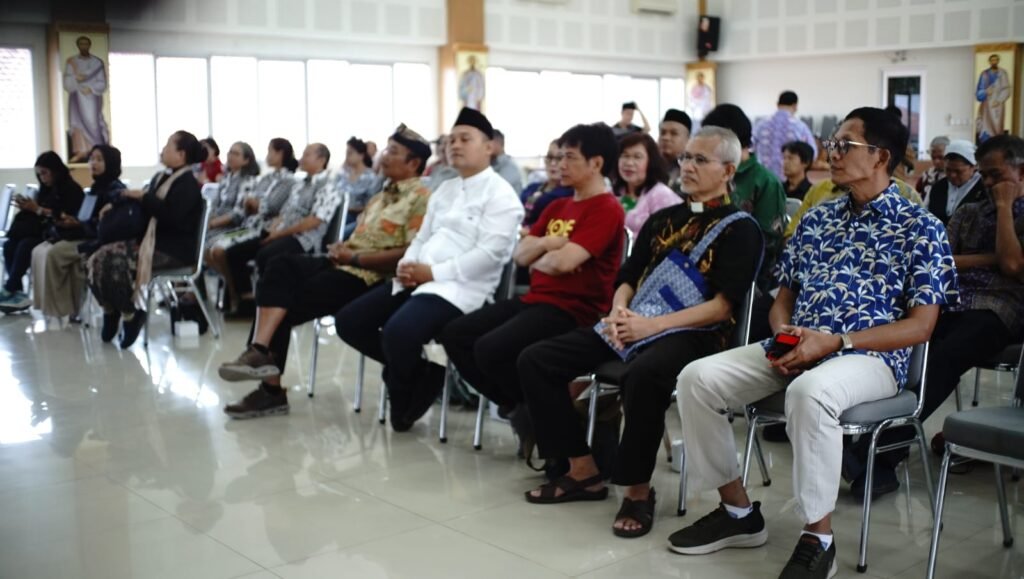
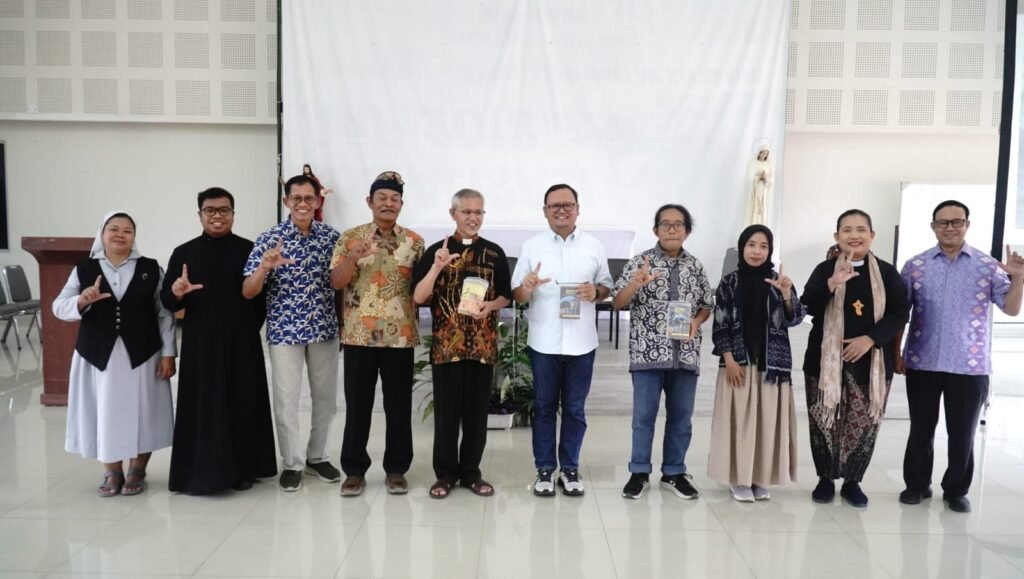
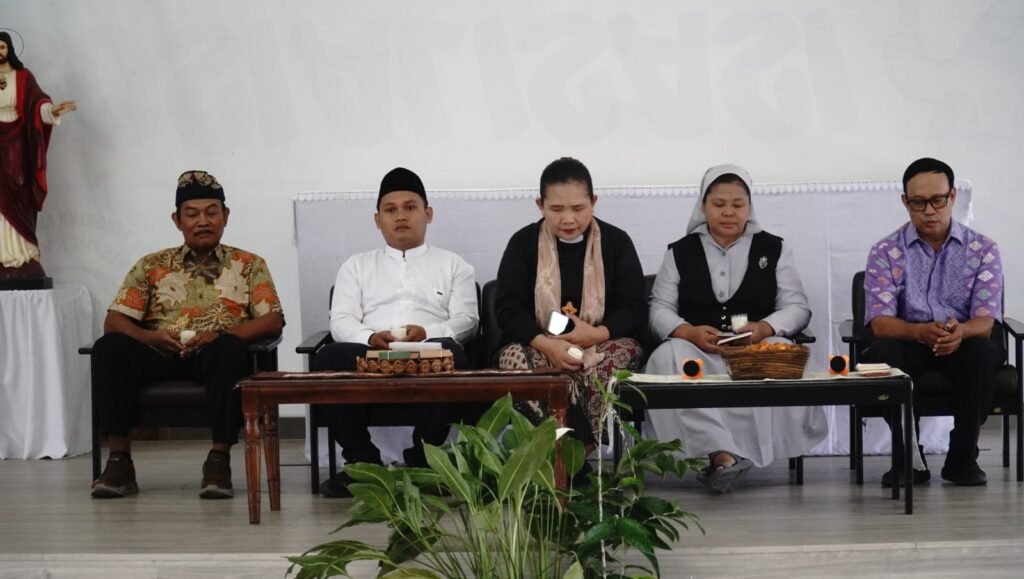
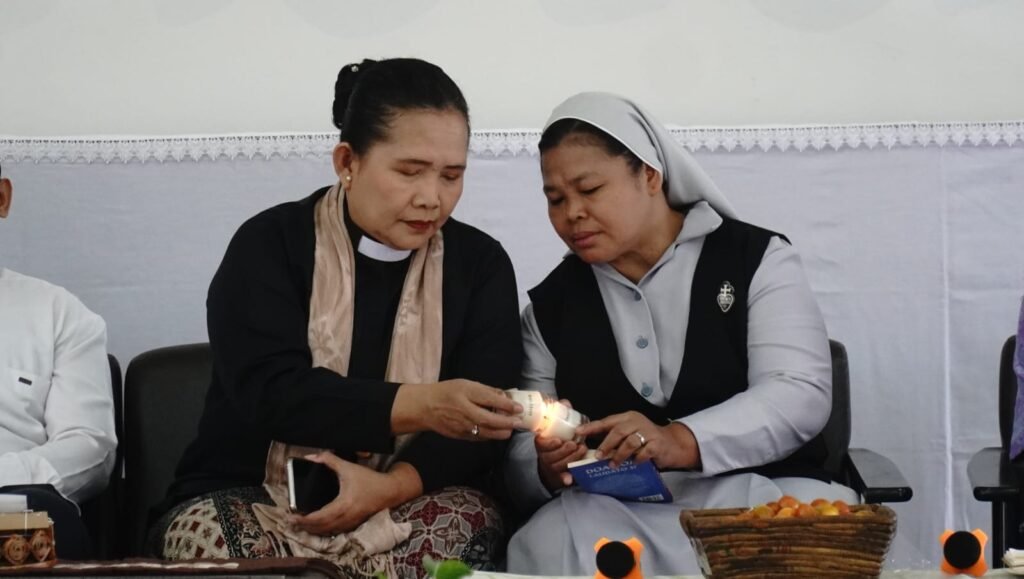
Rev. Yohanes Driyanto, Vicar General of the Diocese of Bogor, said environmental problems begin with the way people understand and treat the Earth.
“If our understanding is wrong, then our way of thinking is wrong, our standards for making choices are wrong, and our behaviour is also wrong,” he said.
Speaking at the closing Eucharistic celebration, Driyanto used the image of flowing water to describe human responsibility.
People should remove obstacles that prevent life and blessings from reaching those who need them, rather than creating new obstacles.
The image echoes the biblical meaning of Living Water: water restores what has become barren and brings life where it is needed.
For Driyanto, that restoration requires a change in human behaviour.
If people understand the Earth differently, their choices can also change — including how they consume resources, manage waste and treat rivers and forests.
Cyprianus Lilik K. P., chairman of the National Working Team (TKN) of the Laudato Si’ Movement in Indonesia, expanded the discussion to the global climate crisis.
In his keynote speech, Lilik said environmental disasters around the world demonstrate the scale of the challenges facing humanity.
He pointed to changes in the Himalayas and recent events in Nepal, saying that people living in highland communities may contribute relatively little to global environmental pressures but can nevertheless experience severe consequences from a warming planet.
“They may live a simpler and ‘more sacred’ life than those of us living in the lowlands,” Lilik said.
The contrast, he said, should encourage people to examine their own lifestyles and consumption, including whether they use more water and other resources than necessary.
The challenge is not simply to recognise environmental problems but to have the courage and commitment to act.
“We all agree that this journey will not be finished in our generation,” Lilik said.
That message connects the local experience at Cibingbin to the broader climate crisis.
A dry waterfall cannot by itself establish the cause of reduced water flow. But it provides a visible reminder that water availability cannot be taken for granted.
It also demonstrates why environmental responsibility extends beyond protecting individual forests or rivers.
The health of an ecosystem can affect people who live far beyond its boundaries.
A living connection
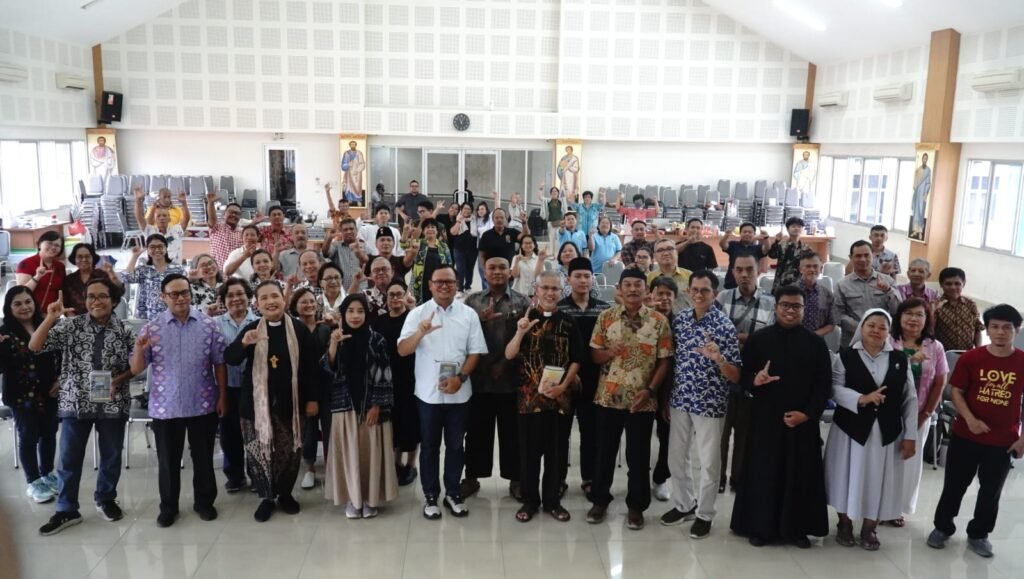
The Bogor trekking experience ultimately brought together the central elements of the 2026 Season of Creation.
Participants entered a forest and encountered its trees, farmland, streams and wildlife. They listened to birds and felt the mountain air.
Then they arrived at a dry waterfall and discovered that the river was connected to the daily water needs of nearby communities.
The experience transformed “Living Water” from a theme into a lived encounter. It showed that water connects forests, farms, rivers and households — and that environmental damage in one part of the system can eventually be felt elsewhere.
For Rudy, that is why rivers must become the “front of the house.”
For Driyanto, people must remove the obstacles that prevent life from flowing.
For Lilik, people must find the courage to change their behaviour even when the results may not be seen within their own generation.
Together, the messages point to a responsibility that goes beyond one Season of Creation 2026 celebration.
The challenge is to protect the ecosystems that allow water to flow, ensure that communities continue to have access to it and pass those resources on to future generations.
The trek began as a journey through the forest. It ended as a reminder that water is not separate from the life around it — and protecting living water means protecting the communities, ecosystems and generations that depend on it.
Sentul City, 5 October 2026
Reported by Roffie Kurniawan